Trauma-Informed · Somatic · Relational

Healing that begins
in the body, held
in relationship

You don’t have to white-knuckle your way through healing. There is a gentler path - one that listens to your body, honors your story, and moves at a pace that feels safe for you.

“You are not broken. You are responding.”

Somatic & Body-Centered

Trauma lives in the body. Together we learn to listen to it - gently, without force - so healing can move through you rather than stay stuck inside you.

Relational & Humanistic

The therapeutic relationship is not just a container - it is medicine. I show up as a warm, genuine presence, not a blank screen behind a clipboard.

Social Work Rooted

You are not separate from your world. Your culture, community, history, and the systems around you are part of your story - and belong in your healing.

Your symptoms are not a sign of weakness -
they are signs of intelligence

Your nervous system learned to protect you. Every defense, every freeze, every way you learned to manage the unmanageable - these were acts of survival. They made sense then. And now, together, we can help your system learn that it is also safe to rest.

“Healing is not about fixing what is broken. It is about befriending what has always been whole.”

My approach is rooted in the belief that people heal in relationship - not through technique alone, but through the lived experience of being truly seen, met, and accompanied. I bring myself into the room. I am curious, warm, and genuinely invested in your wellbeing. You will not be a case file here.

As a social worker, I am trained to see the whole picture: the family you grew up in, the culture that shaped you, the very real pressures of the world you live in - financial stress, systemic harm, community loss, intergenerational patterns. These are not separate from your mental health. They are inseparable from it. Therapy that ignores your context can only take you so far.

Where we do
the work together

Every person who walks in carries a unique history. While the themes below are areas I work in most deeply, I welcome the full complexity of your experience - whatever brought you here is enough reason to reach out.

Domestic Violence & Intimate Partner Harm

The harm that happens inside a relationship - whether physical, sexual, emotional, financial, or coercive - leaves layered imprints. Rebuilding a sense of safety, agency, and self after intimate partner violence takes time and tenderness. We move at your pace, honor whatever stage of leaving, staying, or healing you are in, and hold space for the grief, fear, and complexity that often live alongside survival.

Complex & Developmental Trauma

For those who grew up in environments of ongoing stress, unpredictability, neglect, or harm - the effects are not a single memory but a way of being in the world. Together we work to understand and gently shift these deeply held patterns, building a new internal sense of safety that was perhaps never fully available before.

Anxiety & Nervous System Dysregulation

Anxiety is often the nervous system doing exactly what it was trained to do - staying vigilant because the world once required it. We work to understand your system’s patterns, build capacity for regulation, and create more room for ease, rest, and presence in your daily life without bypassing what the anxiety is trying to protect.

Somatic & Body-Based Healing

Working with breath, sensation, posture, movement, and the felt sense in the body - not as a technique, but as a language. Your body has been trying to tell you something. Here, we slow down and learn to listen, responding with care rather than suppression, override, or shame.

Relationships & Attachment Wounds

So much of how we relate to others - and to ourselves - was shaped long before we had words for it. We gently explore early attachment patterns, the relational templates we carry, and how to move toward greater security, self-compassion, and authentic connection in our adult lives and relationships.

Grief, Loss & Life Transitions

Grief is not only for death. It lives in the loss of relationships, of identities, of the life we thought we were living, of who we were before something changed us. All of it counts. There is no timeline on grief here - only space to honor what mattered and to find your way forward at your own pace.

A relational, holistic
path to healing

I draw from a range of evidence-based frameworks, weaving them together in a way that is responsive to you - your nervous system, your history, and your pace. No two people are the same, and no two sessions are identical.

My social work foundation means I am always thinking about the whole person - not just what is happening inside you, but what surrounds you. Systemic stressors, cultural context, community and family systems - these shape mental health in profound ways and they deserve a place in our work.

The therapeutic relationship itself is a central part of how I work. Research consistently shows that the quality of the therapeutic relationship is among the strongest predictors of positive outcomes in therapy. I show up as a real person - curious, present, and genuinely glad you are here.

I do not believe in one-size-fits-all treatment. I listen carefully, follow your lead, and adjust as we go. If something is not landing, we talk about it. Your feedback actively shapes our work together - you are always the expert on your own experience.

Somatic Experiencing®-Informed Practice

A body-oriented approach developed by Dr. Peter Levine that gently releases survival energy stored in the nervous system - without requiring you to retell or relive the traumatic event. We work with sensation, movement, and the body’s natural rhythms toward resolution and integration. I have trained in this approach and let it inform my work within my scope of competence.

EMDR-Informed Practice

I have trained in EMDR and integrate EMDR-informed elements - including bilateral stimulation and the adaptive information processing framework - within my scope of competence. I am not a certified EMDR therapist, and I will always be clear about that. Your care and safety remain the priority throughout.

IFS-Informed & Parts Work

Internal Family Systems offers a compassionate framework for understanding the different parts of ourselves - the protectors, the wounded inner children, the managers. We approach every part with curiosity rather than judgment, because each one learned to exist for a reason and has a story worth hearing.

Attachment-Based Therapy

Early relationships shape the nervous system’s fundamental sense of safety and belonging. We explore how those early relational templates show up in your adult life - and use our therapeutic relationship itself as a live, corrective experience of secure, consistent connection.

Polyvagal-Informed Care

Understanding the nervous system’s three states - safety, mobilization, and shutdown - helps us make sense of responses that may have felt confusing, shameful, or out of control. From this lens, your reactions become deeply understandable, and new possibilities for regulation begin to emerge.

Social Work & Systems Lens

Rooted in a social work framework, I hold your full context - family systems, cultural identity, community belonging, historical and intergenerational trauma, and structural inequities. You are not a diagnosis. You are a whole person navigating a complex world, and that complexity belongs here.

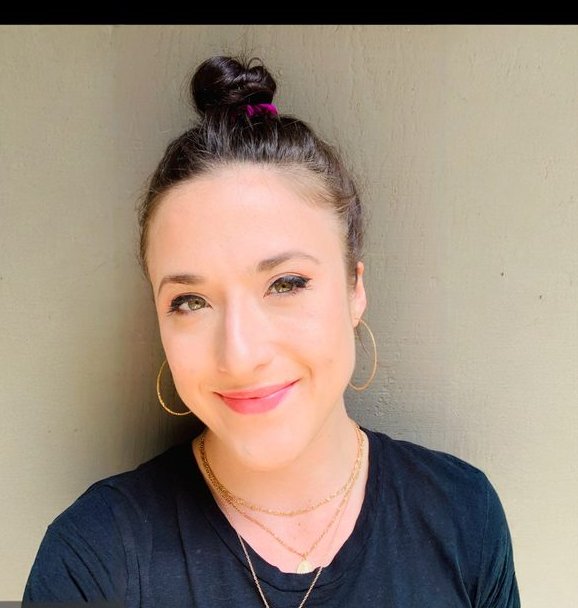
Rebecca Gilbert, LCSW

Rebecca Gilbert, MSW, LCSW
California License #129798

Sonoma County · Telehealth statewide

A warm, curious presence
in your corner

“I became a therapist because I believe deeply that people deserve to be met with care - not just managed or treated, but truly seen.”

I am a Licensed Clinical Social Worker based in Sonoma County, California, offering individual therapy to adults navigating trauma, anxiety, grief, and the complicated, beautiful terrain of being human. My training spans both the clinical and the human - the neuroscience of trauma, yes, but also the lived experience of what it means to carry pain in a body and a world that did not always make space for it.

My background in social work shapes everything about how I practice. I was trained to think systemically - to understand that an individual is always in context, always in relationship, always embedded in larger forces that shape their inner life. I hold race, culture, class, gender, sexuality, family history, and community as central to understanding who you are. Not as categories to check off, but as lived experience that deserves to be honored.

I specialize in trauma - and in particular, sexual trauma and assault. This work has a particular weight, and I hold it with particular care. Survivors of sexual trauma often carry not only the wound itself but layers of shame, self-doubt, and isolation that were placed there by others. You deserve a space where none of that is met with anything other than quiet steadiness and deep respect.

I am not a blank-screen therapist. I am warm, direct when that serves you, and genuinely interested in you as a whole person. I will laugh with you sometimes and sit with you in hard silences when that is what is needed. The relationship between us is real - and that realness is part of what makes this work possible.

  • Licensed Clinical Social Worker - California #129798
  • Master of Social Work (MSW)
  • Somatic Experiencing®-informed practice
  • EMDR-informed practice
  • Polyvagal-Informed Practice
  • Attachment-based and IFS-informed approaches
  • Telehealth available throughout California

The shape of
our work together

Beginning therapy can feel uncertain - especially if you have never done it before, or if previous experiences were not a good fit. Here is what you can count on from the moment you reach out.

01

Free 20-Minute Consultation

We begin with a no-pressure phone or video call to get a sense of each other. You can share a little about what brought you here, ask any questions you have, and feel into whether this might be a good fit. There is no obligation and nothing you need to have figured out before we talk.

02

First Sessions: Building Safety

The early sessions are about getting to know each other and establishing safety before anything else. I will ask about your history, your goals, and what has or hasn’t worked in the past. We go at your pace. Nothing is required of you before you are ready - not even a clear story of what happened.

03

Ongoing, Collaborative Sessions

Sessions are 60 minutes and typically weekly, especially early on, with 90-minute sessions available when the work calls for more room. We check in regularly about how the work feels - what is landing, what is not, and what you need more or less of. This is a collaborative process, not a prescribed one. Your experience of the sessions is data we work with together.

04

Holistic, Evolving Care

As trust deepens, so does the work. We may use body-based practices, explore parts and protective patterns, process memories, work with the relationship between us, or simply be present with what is alive right now. The approach evolves as you do - and you are always in the lead.

Things people
often wonder

If something is not covered here, please reach out - there are no wrong questions when it comes to finding care that fits.

I am currently a private pay therapist and do not directly bill insurance. However, I can provide a monthly superbill - a detailed receipt - that you may submit to your insurance for potential out-of-network reimbursement. Many PPO plans offer partial reimbursement for out-of-network mental health services. I encourage you to call your insurance provider before we begin to ask about your out-of-network mental health benefits and what documentation they require.
Yes - I offer telehealth sessions to anyone located in California, which means geography does not have to be a barrier to getting support. Sessions take place via a secure, HIPAA-compliant video platform. Many clients find that working from the comfort and privacy of their own home actually supports the somatic and relational work we do together, and I have found telehealth to be a genuinely effective format for this kind of therapy.
You are in good company. Many of the people I work with are new to therapy, or returning after a long gap. The first sessions are intentionally slow and low-pressure - we build safety before anything else. There is no performance required. You do not need to arrive with the right words, a clear narrative of what happened, or certainty that this is the right move. Coming at all is enough of a beginning.
It often looks quieter than people expect. I might invite you to notice what is happening in your body - a tightness in the chest, a held breath, a sudden impulse to look away or move. We slow down and pay attention to those signals rather than talking past them. Sometimes we pause and breathe together. Sometimes we do gentle grounding exercises or track sensations slowly. We never push the body or force anything; we listen to it. Many people find this both strange and deeply relieving at first - and over time, it becomes a kind of fluency.
No - and this may be one of the most important things to know. You do not need to retell the story in detail for healing to happen. In fact, one of the core principles of somatic and trauma-informed work is that we can work at the edges of experience - building capacity, regulation, and resilience - without requiring you to narrate or re-live what happened. Your safety comes first, always. We go where you feel ready to go, at the speed your nervous system can tolerate.
There is no single honest answer to this, and I will always be straightforward with you about it. Some people find meaningful relief within a few months; others choose to work together for a year or more as they navigate deeper layers. The depth and duration of trauma, the complexity of what you are carrying, and your own goals and life circumstances all shape the arc. What I can tell you is that we check in regularly, you always have the option to step back or shift the focus, and I will never hold you in treatment longer than is genuinely useful.
The free consultation is exactly for this. Trust your gut - the felt sense you have after we talk matters enormously. A good therapeutic relationship should feel reasonably safe and reasonably honest, even if also a little uncomfortable. If after a few sessions it does not feel like a fit, I will support you in finding someone who is - I can assist with referrals and I will never take it personally. Finding the right person matters more than finding any person quickly.

What sessions cost
and how billing works

The practical side of therapy deserves the same clarity as the rest of it. You should know what care is likely to cost and what paperwork you can ask me for, before you ever sit down for a first session. Here is all of it, in plain language.

Session Rates

  • Individual session60 minutes $175
  • Extended session90 minutes $200

A note on the 90-minute session: insurance will not always reimburse for extended sessions, even when you submit a superbill. Longer sessions can be genuinely useful - particularly for somatic and trauma work, which sometimes needs more room to open and close gently - but if you are counting on reimbursement, it is worth asking your plan about longer session lengths before we schedule one.

Cost should not be the only thing standing between you and support. Sliding scale options are available and can be discussed based on need. If the fee is a barrier, please say so during our consultation - it is a welcome conversation, and no lengthy explanation is required.

Payment is due at the time of each session. This is a private pay practice, so I do not bill insurance directly - see below for how superbills and out-of-network reimbursement work.

Your Good Faith Estimate

Under the federal No Surprises Act, if you are uninsured or choosing to pay out of pocket, you have the right to receive a Good Faith Estimate of what your care is expected to cost before services begin.

I will give you a written estimate outlining the cost of therapy services at the start of our work together, or any time you ask for one. If your treatment plan changes along the way, you are always welcome to request an updated estimate.

If you are ever billed for $400 or more above your Good Faith Estimate, you have the right to dispute the charge. You can learn more, including how the dispute process works, at cms.gov/nosurprises. It is a good idea to keep a copy of your estimate for your records.

Superbills for Out-of-Network Reimbursement

A superbill is simply an itemized receipt of the sessions you have already paid for. It includes the details most insurance companies ask for, so you can submit it to your plan and request possible out-of-network reimbursement.

Because this is a private pay practice, I am happy to provide a superbill upon request, monthly or at whatever rhythm is most useful to you. There is no extra cost and no need to explain why you want one.

Reimbursement is never guaranteed. What comes back to you, if anything, depends entirely on your individual plan and benefits. Calling the number on the back of your insurance card and asking about your out-of-network mental health benefits is the surest way to know what to expect.

If any of this feels confusing, please ask. I would far rather answer a question twice than have you carry uncertainty into our work.

Begin your journey
toward healing

You do not have to have the right words, a clear diagnosis, or certainty that therapy is the right move. Reaching out is enough. I offer a free 20-minute consultation - no pressure, no obligation, just a conversation to see if we might be a good fit for each other.

Sonoma County, CA & Telehealth throughout California
Send a Message

I typically respond within 1-2 business days. If you are unsure what to say, simply let me know you are interested in a consultation - that is all that is needed. Everything else can wait until we speak.

If you are in crisis or need immediate support:
Please call or text 988 (Suicide & Crisis Lifeline), text HOME to 741741 (Crisis Text Line), or go to your nearest emergency room. I am not able to provide crisis services, but you deserve support right now - please reach out to someone who can help.